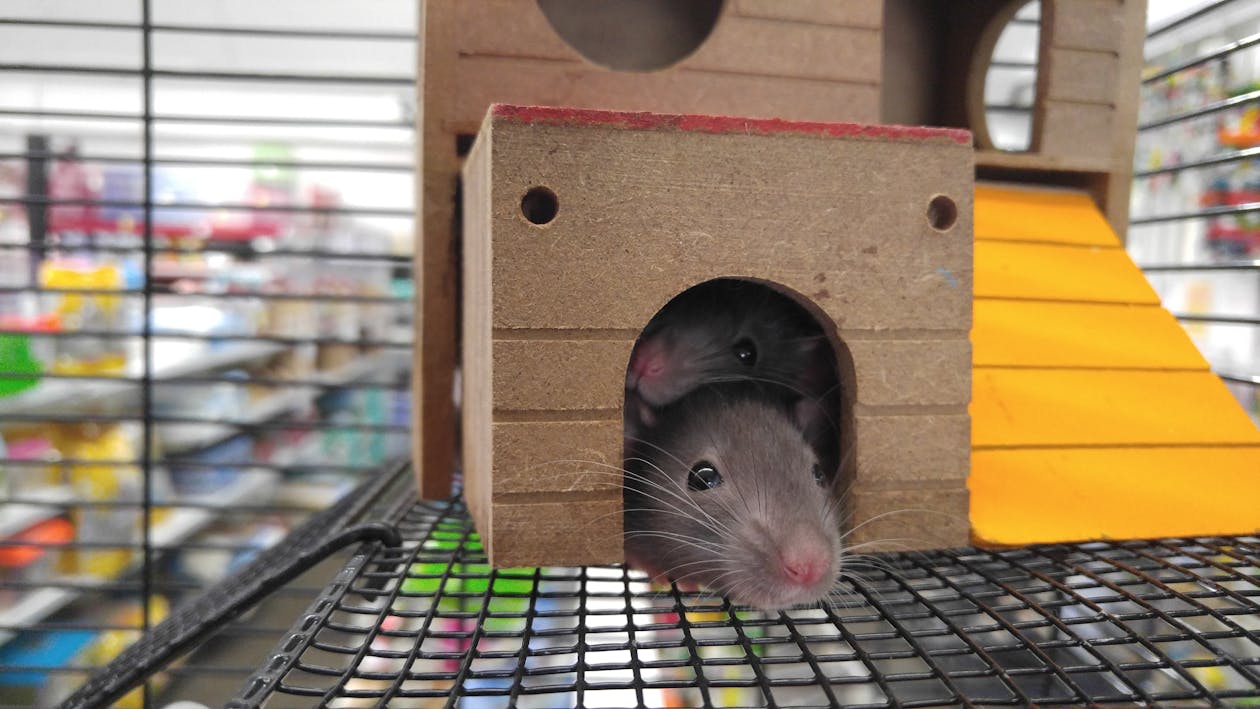
While small in size, mice can bring a lot of destruction when they get into a home or a business. Considering the amount of damage they cause, as well as the health hazards that come along with them, mice can be quite dangerous.
However, did you know that every mouse is different? Effective mice removal starts with knowing which species you are dealing with. Let’s investigate how to spot different types of mice and why it is important in terms of controlling infestations.
Why Identifying the Species Matters
Different mouse species have different preferred habitats, behaviours, and even means of entering houses.
For instance, house mice are more likely to transfer infections and nest indoors, and deer mice are recognised carriers of the fatal Hantavirus. While some species would chew through food packaging, others are more likely to destroy insulation and wires.
Therefore, knowing which mouse has invaded your home can help you select the right treatment for the infestation.
Common Species of Mice in the UK
Several species that are often found in homes, gardens, and businesses in the UK are native to the country. Knowing which variety you have seen will let you decide the appropriate actions you need to implement to eradicate it. Let us review the most common types.
House Mouse (Mus Musculus)
These are the most common species found in houses. Usually 7-10 cm long, excluding the tail, an adult house mouse weighs 12 to 30g. Light brown or grey house mice have pretty large ears and long hairy tails.
These critters most probably would be found in your walls, attics, or even inside your kitchen cabinets. Since they are nocturnal, you could hear them scurrying at nighttime.
House mice, in general, are identified mostly by their small, rod-shaped droppings, usually seen in food storage areas.
A little infestation can suddenly become a huge issue since they multiply fast and in great numbers. Resorting to mice removal services is usually advised to properly address these infestations.
Field Mouse (Apodemus Sylvaticus)
Usually found outdoors, this type, which some people refer to as wood mice, will occasionally penetrate homes. This happens especially in colder months when they are seeking warmth.
With adults measuring roughly 8-10 cm and weighing 20-35g, they are larger than house mice. Field mice have sandy brown fur, white undersides, and big black eyes.
This species favours fields, gardens, and forests. Hence, if you discover one indoors, it’s usually transient. Since they’re excellent climbers, these creatures are more likely to find their way into homes via roofs or higher levels.
Their kidney-shaped droppings will help set them apart from house mice. They can harm gardens as well by feasting on bulbs and seeds.
Yellow-Necked Mouse (Apodemus Flavicollis)
Although they are rare compared to the house and field varieties, this type is still present in the UK. With adults weighing between 25 and 50g and growing up to 10-12 cm, they are bigger than house and field mice.
As their name suggests, they have white undersides and reddish-brown coats, together with a unique band of yellow fur around their necks.
Though they favour rural settings, these pests sometimes find their way into homes, especially hiding in lofts and attics. Yellow-necked mice are a fire hazard, as they tend to chew on cables. They produce kidney-shaped droppings just like field mice.
Harvest Mouse (Micromys Minutus)
With adults just reaching roughly 5-7 cm in length and weighing 4-6g, this is the smallest species found in the UK. Their prehensile tails enable them to cling onto items like grass stalks
When it comes to physical features, they’re marked by their white undersides and russet-orange fur. Most usually seen in long grass, reed beds, or cereal crops, these small animals enjoy the outdoors. Harvest mice are rarely found indoors.
Nevertheless, they can occasionally sneak into houses near meadows or fields. Their size and agility make them less likely to do structural damage.
Identifying Mice by Signs of Infestation
Although mice are not always that easy to spot indoors, there are many telltale signs that will let you know what species has invaded your home. The most commonly occurring ones include the following:
Droppings
Mice varieties produce different kinds of droppings. While field and yellow-necked rodents leave behind bigger, kidney-shaped droppings, house mice’s droppings are tiny and rod-shaped.
Finding droppings in your house enables you to identify the species you are dealing with more precisely.
Gnaw Marks
From insulation and electrical cables to food packaging, mice chew on anything. The size and pattern of their gnaw marks can provide hints on the species.
For instance, whereas yellow-necked mice leave bigger, more obvious marks, house mice often leave smaller ones.
Nests
Different species exhibit unique nesting behaviours. For instance, the house mouse often constructs its nest from soft, shredded paper or fabric found in hidden corners of homes.
In contrast, field mice prefer outdoor environments, using grass and leaves to create a more natural-looking shelter.
Tracks and Smears
Mice travel over walls and baseboards, leaving greasy stains behind them. You can also find tiny dirt or sand tracks. These trails will let you find the routes mice are utilising to get about your house.
How to Remove Mice Based on Their Species
Now that you know what kind of mice frequents your home, it is high time you thought about their elimination. From do-it-yourself solutions to expert services, there are numerous ways to approach this.
Removing House Mice
House mice can be especially difficult because of their fast reproduction and inclination for indoor nesting. Investing in professional pest control services is usually the most successful approach to guarantee total elimination.
Experts in pest management can evaluate the extent of the invasion and carry out a plan, including sealing access points and focusing on efficient bait or trap placement.
Controlling Field and Yellow-Necked Mice
As for the above-mentioned pests, the best thing is to try to keep them outdoors instead of letting them gain access to your home. During winter, they actually find their way into homes for some warmth. Hence, closing off entrance points is essential.
Although traps are effective, it’s also a good idea to declutter your house, clearing lofts and attics where these mice usually nest. Once more, if the infestation is serious or if you are having trouble finding their access sites, expert services could be your best choice.
Dealing With Harvest Mice
These are scarcely found indoors. Thus, initial prevention is quite important to stop them from infesting your dwelling.
Seal windows and doors, particularly if your house is close to meadows or fields. In case one or two find their way inside, traps can be utilised.
Conclusion
Though the good news is that identifying the mouse species you are dealing with is half the battle, infestations can still be annoying and even deadly.
Learning to distinguish between the different rodent varieties will help you eliminate them successfully.
While do-it-yourself solutions are appropriate for modest infestations, professional mice removal services are the best way to guarantee long-term success.
Therefore, don’t wait if you hear scurrying in the night or discover obvious indicators of mice. Act before a minor issue becomes a major one.